
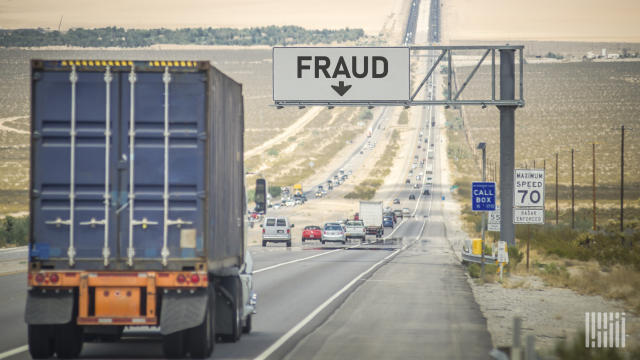
Fraud is a big problem in the transportation industry. It affects everyone involved, from shippers and carriers to brokers, factoring companies, and even the customers. To tackle this issue, the International Factoring Association (IFA) and the Transportation Intermediaries Association (TIA) have joined forces. Here’s a simple look at what they’re doing to fight fraud and why it’s so important.
What is Fraud in Transportation?
Fraud can take many forms in the transportation industry, including cargo theft, identity fraud, double-brokering, and billing scams. These activities can cause huge financial losses, mess up supply chains, and make people lose trust in the system. With the complexity and high volume of modern logistics, there are many chances for fraudsters to exploit weak spots.
How TIA is Combating Fraud
1. Collecting Data:
TIA is using data to fight fraud. By gathering information from across the industry, they can spot patterns and trends that might indicate fraudulent activities. This helps them create strategies to tackle these issues effectively.
- Centralized Database: TIA has set up a database where members can report suspicious activities. This helps track individual cases and identify broader problems. IFA is helping with this by contributing data from their members.
- Technology Partnerships: TIA works with tech companies specializing in cybersecurity and fraud detection. These partnerships provide advanced tools to analyze data in real-time and detect fraud early.
- Best Practices: Based on the data, TIA develops guidelines for preventing fraud. These help members verify the identities of new partners, use secure communication channels, and conduct regular audits.
2. Legislative Advocacy:
TIA is also working on the legal side to make sure there are strong laws and regulations to protect the industry.
- Stronger Penalties: TIA is pushing for harsher penalties for those caught committing fraud. They believe that stronger consequences will deter people from committing fraud.
- Standardized Regulations: TIA wants uniform regulations across state and federal levels. This makes it harder for fraudsters to exploit differences in the laws and helps create a safer industry environment.
- Data Sharing: TIA advocates for laws that make it easier to share data between companies and public agencies. This can improve security and prevent fraud more effectively.
3. Public Relations Campaign:
TIA understands that public awareness is crucial in the fight against fraud. They are launching a public relations campaign to educate people and highlight the important role brokers play.
- Raising Awareness: TIA’s campaign aims to inform the public about how common fraud is and its impact on prices and product availability.
- Highlighting Brokers: Brokers are often the first to notice fraudulent activities. TIA wants to show that brokers are not just middlemen but key players in keeping the supply chain safe.
- Media Engagement: TIA is working with media outlets and industry influencers to spread the word. They publish articles, press releases, and case studies to showcase successful fraud prevention efforts.
- Legislative Outreach: TIA provides data and expert testimony to lawmakers to support effective policies and regulations against fraud.
Why This Matters
Fraud can have a huge impact on the transportation industry, leading to financial losses and disrupted supply chains. By working together, IFA and TIA are taking a comprehensive approach to combat this issue. They are focusing on data collection, legislative advocacy, and public awareness to make the industry safer for everyone involved.
Conclusion
As the transportation industry continues to grow, the fight against fraud becomes even more critical. The efforts of IFA and TIA show that a united approach is the best way to tackle this issue. By working together and using data, technology, and public awareness, they aim to create a more secure and trustworthy industry.
For more details on how these organizations are fighting fraud, you can read the full article here.
Related posts:
 Navigating New Opportunities: How the Non-Compete Ban Benefits Truck Drivers
 Trucking Costs Start to Drop as Maintenance and Repair Expenses Improve
 How to Start Your Own Trucking Company: A Three-Part Series – Part 3: Choosing the Right Truck and Understanding the Commitment
 Choosing the Right Business Entity for Your Trucking Company: A Step-by-Step Guide (P1)
 Understanding Tax Structures and Protecting Your Assets in the Trucking Industry (P2)