
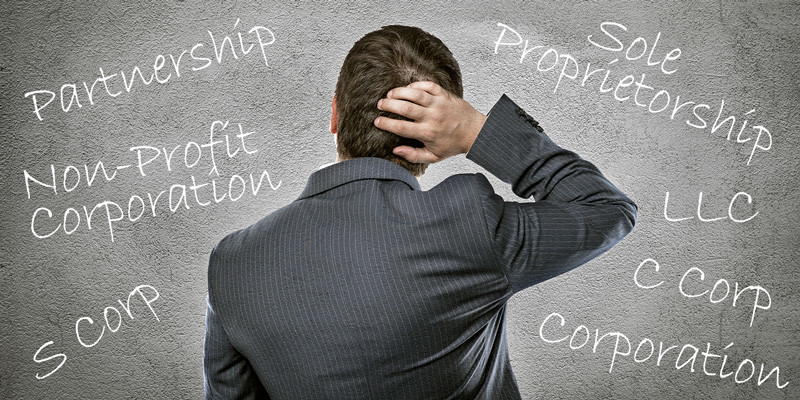
While it might not be the most exciting subject, understanding these foundational pieces is essential for setting up a successful trucking business. In this post, we’ll dive into the different types of entities and which one may be right for you.
Choosing the right business entity is the first step in setting up your trucking company. Your business entity determines how your business is legally recognized, how it’s taxed, and the extent of your personal liability. The main types of business entities include sole proprietorships, partnerships, limited liability companies (LLCs), and corporations. Each of these entities has its own set of advantages and disadvantages, and selecting the right one is crucial for the success and sustainability of your business.
A sole proprietorship is the simplest form of business entity. It’s not a separate legal entity from the owner, meaning you are personally liable for all business debts and obligations. While it’s easy to set up and maintain, the lack of personal liability protection makes it a less favorable option for many trucking businesses. The simplicity of a sole proprietorship is appealing to many, but the risk it poses to personal assets is a significant downside.
A partnership is similar to a sole proprietorship but involves two or more people. Partners share the profits, losses, and liabilities of the business. Like sole proprietorships, partnerships offer limited liability protection, making them less ideal for trucking companies. The shared responsibility in a partnership can be beneficial, but it also means shared risk, which can complicate business operations and financial stability.
An LLC is a popular choice for many small businesses, including trucking companies. It provides the liability protection of a corporation with the tax benefits and flexibility of a partnership. LLCs are relatively easy to set up and maintain, making them an excellent option for most trucking entrepreneurs. The protection of personal assets and the flexible tax options make LLCs a highly recommended choice for new trucking businesses.
Corporations are more complex and involve more administrative work. They are separate legal entities from their owners, offering strong liability protection. There are two main types of corporations: S Corporations (S Corps) and C Corporations (C Corps). Understanding the differences between these two types is essential for choosing the right one for your business needs.
An S Corporation is a special type of corporation that allows profits and losses to pass through to the owner’s personal tax return, avoiding double taxation. S Corps offer liability protection and can save on payroll taxes, making them a popular choice for small to medium-sized trucking companies. The S Corp structure is beneficial for those who want to avoid the complexities and tax burdens of larger corporate structures while still enjoying liability protection.
A C Corporation is a traditional corporation where the company itself is taxed on its profits. Any dividends paid to shareholders are also taxed, leading to double taxation. C Corps are typically used by larger companies that plan to reinvest profits or go public. While the double taxation aspect can be a drawback, the ability to reinvest profits and attract investors can be advantageous for businesses looking to grow significantly.
Once you’ve decided on the type of business entity, the next step is to set it up properly. This process involves registering your business with the state, obtaining any necessary licenses and permits, and applying for an Employer Identification Number (EIN) from the IRS. Each of these steps is crucial for ensuring your business is legally recognized and can operate smoothly.
Selecting a business name is an important step. Your name should be simple, easy to spell, and professional. Avoid complicated or whimsical names that may be difficult to communicate over the phone or in business dealings. A clear and professional name not only helps in marketing but also in establishing credibility with clients and partners.
Registering your business with the state involves filing the necessary paperwork and paying any associated fees. This process varies by state, so be sure to check your state’s specific requirements. Proper registration ensures that your business complies with local laws and regulations, which is vital for avoiding legal issues in the future.
An Employer Identification Number (EIN) is like a Social Security number for your business. You’ll need an EIN to open a business bank account, file taxes, and hire employees. You can apply for an EIN through the IRS website. Having an EIN helps separate your personal and business finances, which is important for both tax purposes and liability protection.
Conclusion
Understanding and choosing the right business entity is a fundamental step in starting your trucking company. Whether you opt for a sole proprietorship, partnership, LLC, or corporation, each has its own advantages and considerations. Setting up your business entity properly will help protect your personal assets and provide a solid foundation for your company.
Related posts:
 How to Keep Your Business Financially Sound
 How to Start Your Own Trucking Company: A Three-Part Series – Part 2: Securing Funding for Your Trucking Business
 Understanding Tax Structures and Protecting Your Assets in the Trucking Industry (P2)
 The Road to Authority: Everything You Need to Know About DOT and MC Numbers
 The Most Overlooked Cost in Trucking Happens Before the Truck Even Moves