
What This Article Will Cover
- The Challenges of Fleet Management
- A look at the common financial pressures fleet managers face and why cost control is essential.
- Breaking Down Fleet Costs
- An exploration of predictable, variable, and avoidable costs, with actionable tips to manage each effectively.
- The Role of Technology in Cost Reduction
- How tools like telematics, ADAS, and predictive analytics can improve efficiency and cut expenses.
- Improving Driver Performance
- The impact of driver behavior on operating costs and strategies for training, real-time feedback, and incentives.
- Accident Prevention Strategies
- The financial toll of accidents and how safety technology and training can minimize risks.
- Proactive Management with Predictive Analytics
- Leveraging data to anticipate maintenance needs, optimize routes, and prepare for fuel price changes.
- Reducing Insurance Costs Through Safety Initiatives
- How implementing safety measures and reviewing insurance policies can help negotiate lower premiums.
- Building a Cost-Saving Culture
- Engaging the entire team to create a culture of accountability and continuous improvement.
- Key Takeaways for Smarter Fleet Management
- A summary of strategies to reduce costs while ensuring safety and efficiency for long-term success.
Understanding Fleet Management Costs
Fleet costs fall into three main categories: predictable, variable, and avoidable. Predictable costs are the recurring expenses that every fleet incurs, such as insurance premiums, vehicle registration fees, and driver salaries. While these expenses are relatively stable, they still require diligent budgeting. For instance, factors like fleet size, vehicle type, and driving records influence insurance premiums, so regularly reviewing policies can help secure optimal coverage at competitive rates.
Variable costs, in contrast, are less predictable and include expenses like fuel and maintenance. Fuel prices can fluctuate due to market or geopolitical factors, while maintenance costs often depend on a vehicle’s age, usage, and unexpected repairs. However, tools like telematics can help mitigate these fluctuations by monitoring vehicle health and anticipating maintenance needs. Avoidable costs, such as fines, tolls, and penalties, typically result from operational inefficiencies or non-compliance. By improving driver training, enforcing safety standards, and ensuring regulatory adherence, these unnecessary expenses can be significantly reduced.
Leveraging Technology to Save Costs
Technology has revolutionized fleet management by introducing tools that improve efficiency and reduce costs. For example, telematics systems provide real-time data on vehicle performance and driver behavior. These insights help fleet managers address inefficiencies like idling, harsh braking, and poorly planned routes, which ultimately lower fuel costs and reduce wear and tear on vehicles. Advanced Driver Assistance Systems (ADAS), which include features like collision-avoidance technology and lane departure warnings, not only improve driver safety but also reduce accident-related expenses, such as repair costs and insurance premiums. Additionally, predictive analytics and GPS tracking enable better route planning, preventive maintenance scheduling, and quicker responses to unexpected challenges, helping businesses reduce costs while staying competitive.
Optimizing Driver Performance
Drivers play a pivotal role in managing fleet costs. Poor driving habits, such as speeding, harsh braking, and prolonged idling, contribute to higher fuel consumption and increased vehicle wear and tear. Addressing these behaviors begins with comprehensive driver training programs that focus on eco-friendly practices like maintaining steady speeds and minimizing idling. Real-time feedback through telematics systems further empowers drivers to adjust their behavior as needed. For example, if a driver frequently brakes harshly, the system can provide immediate notifications, helping them improve over time. Incentives for good driving habits, such as rewards for fuel efficiency or safe driving records, foster accountability and encourage consistent performance improvements.
Preventing Accidents to Save Costs
Accidents are among the most significant cost drivers in fleet management, impacting repair bills, insurance premiums, and overall operational efficiency. Investing in collision-avoidance systems equipped with radar, optical sensors, and telematics can significantly reduce accidents by alerting drivers to potential hazards. Unlike active systems that take control of the vehicle, these passive systems empower drivers to make informed decisions, minimizing the risk of collisions. Regular safety training is also crucial; teaching defensive driving techniques and proper vehicle handling for adverse conditions can help prevent incidents. Analyzing accident data to identify high-risk patterns, such as frequent issues in specific locations or at particular times, allows for targeted interventions to mitigate future risks.
Using Predictive Analytics for Proactive Management
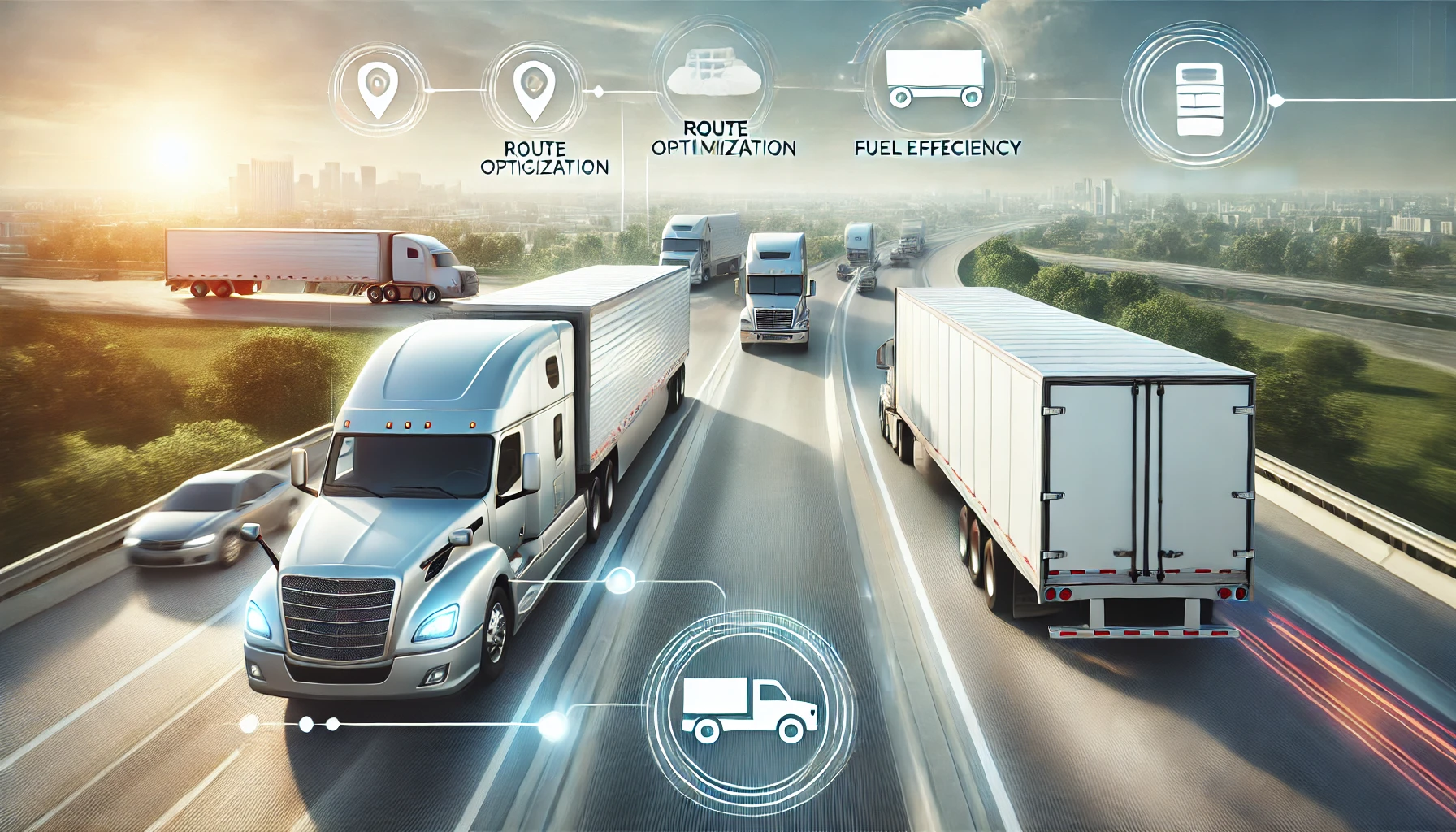
Predictive analytics offers a proactive approach to fleet management, enabling businesses to address issues before they escalate. For instance, predictive maintenance uses data from telematics systems to determine when a vehicle is likely to need servicing, allowing fleet managers to schedule repairs in advance and avoid costly breakdowns. Predictive analytics also helps forecast fuel consumption trends, aiding in planning for price fluctuations and optimizing fuel purchasing strategies. Route optimization is another key application, leveraging data on traffic, weather, and delivery schedules to design more efficient routes. This reduces mileage, lowers fuel usage, and improves delivery times, ultimately enhancing both cost control and customer satisfaction.
Lowering Insurance Costs with Safety Initiatives
Insurance is often a significant expense for fleet operations, but businesses can achieve substantial savings by prioritizing safety. Implementing advanced safety technologies, such as ADAS and telematics, demonstrates a commitment to reducing risk, which can help negotiate lower insurance premiums. Regularly reviewing insurance policies ensures that coverage aligns with current operations, potentially identifying opportunities for bundled discounts or the removal of unnecessary coverage. Sharing data on safety improvements, such as reduced accident rates or updated safety protocols, further strengthens a business’s case for premium reductions. These steps not only lower costs but also build a culture of safety within the organization.
Building Accountability and a Cost-Saving Culture
Fleet cost management is an ongoing process that requires collaboration across the team. Engaging drivers by demonstrating how their actions, such as reducing idling or improving fuel efficiency, directly impact costs fosters a sense of accountability. Rewarding good habits through incentives, like bonuses or recognition programs, motivates employees to maintain high standards. Open communication channels also encourage employees to share feedback and suggest innovative cost-saving ideas. By involving everyone in the process, businesses can create a culture of continuous improvement that drives long-term efficiency.
Conclusion: Drive Smarter, Save More
Effective fleet management is about more than reducing expenses—it’s about creating a smarter, safer, and more efficient operation. By leveraging technology, optimizing driver performance, preventing accidents, and embracing predictive analytics, businesses can reduce costs while maintaining high levels of safety and reliability. Whether managing a small fleet or a large operation, these strategies ensure that your fleet remains a sustainable and valuable asset for long-term success.
Related posts:
 Trucking Costs Start to Drop as Maintenance and Repair Expenses Improve
 How to Keep Your Business Financially Sound
 How to Start Your Own Trucking Company: A Three-Part Series – Part 2: Securing Funding for Your Trucking Business
 How to Start Your Own Trucking Company: A Three-Part Series – Part 3: Choosing the Right Truck and Understanding the Commitment
 Choosing the Right Business Entity for Your Trucking Company: A Step-by-Step Guide (P1)